New home checklist: the first month
The first weeks in a new house are the best time to handle safety basics, learn where everything is and knock out the small repairs from the inspection report, before boxes are unpacked and furniture is in the way.
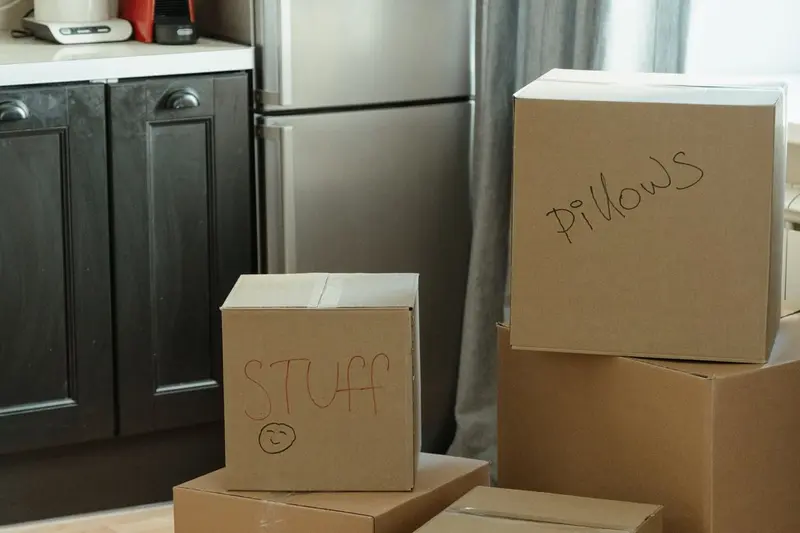
Day one: safety and the basics
- Rekey or replace the exterior locks, including the garage entry door.
- Find the main water shutoff and make sure it turns. In many Triangle houses it is in the garage, a utility closet or the crawl space, with a second valve at the meter by the street.
- Find and label the electrical panel so the right breaker can be shut off quickly.
- Find the gas shutoff if the house has gas.
- Test the smoke and carbon monoxide alarms. Check the date on the back of each; alarms more than 10 years old should be replaced.
- Check the water heater temperature, ideally around 120°F.
The first week: setup
- Change the HVAC filter and note its size for next time.
- Mount TVs before the furniture is arranged around them. See TV mounting.
- Assemble furniture, starting with beds, and anchor tall dressers and bookcases to studs. See furniture assembly.
- Hang curtains and blinds in bedrooms first, for privacy and sleep.
- Childproof if there are young children: outlet covers, cabinet locks, stair gates mounted into studs at the top of stairs, and window cord safety.
The first month: the inspection report
Go back through the home inspection report. Items that were not fixed before closing are now yours, and many are small:
- Loose or missing handrails
- Doors that stick, rub or do not latch
- Missing door stops and drywall dents behind doors
- Cracked or missing caulk and grout
- Running toilets and dripping faucets
- Small areas of wood rot
- Missing GFCI protection, which needs an electrician
Sort the list into safety items first, then items that can cause damage if left alone, such as leaks and rot, then cosmetic items.
Painting, patching and personalizing
Before furniture goes against walls, it is the easiest time to patch holes the previous owners left, paint, and hang art and shelves. See drywall repair and picture and shelf hanging.
New construction
New houses in Apex, Holly Springs and western Cary come with a builder’s warranty, and the first year brings predictable issues as the framing dries and the house settles slightly: nail pops, small drywall cracks, doors that drift out of adjustment and caulk that pulls away. Keep a running list, with photos and dates, and report items on the builder’s schedule. Most builders also hold a walkthrough near the end of the first year.
Anything the builder does not cover, such as add-ons and upgrades, can be done by a handyman: TV mounting, shelving, closet systems, extra hooks and towel bars.
Know your house
Start a simple house record, on paper or in a phone folder. Photograph the labels on the water heater, furnace, air handler and outdoor unit, and note the paint colors and brands for each room if the sellers left them. Record the HVAC filter size, the brand of the faucets and toilets, and the location of every shutoff. When something breaks later, that information makes repairs faster and parts easier to match.
The garage
Garages collect the overflow of a move. Wall-mounted shelving and track systems fastened into studs, and overhead storage racks bolted to the ceiling joists, clear the floor. Test the garage door’s automatic reverse by placing a piece of wood or a roll of paper towels under the closing door; it should stop and reverse when it touches. If it does not, call a garage door company.
Smart locks and small upgrades
Battery-powered smart locks and keypad deadbolts install much like any other lockset, and they solve the problem of spare keys for dog walkers, cleaners and family. Door stops, hooks by the entry, closet organizers and new cabinet hardware are other small changes that make a house feel like yours.
Outside
- Check gutters and downspouts and make sure water is directed away from the foundation.
- Look at grading, making sure soil and mulch slope away from the house.
- Walk the deck and check railings and stairs.
- Find out about HOA rules before planning exterior changes such as a storm door, shed or fence.
Utilities and town services
Set up water, sewer and trash service if the sale did not transfer them. In most Triangle towns, water and sewer come from the town utility, and trash and recycling pickup run on a set schedule. Some towns, including Apex, also run their own electric utility.
Getting help
Moving is busy, and having a handyman knock out a list in one visit makes a new house feel finished faster. See home repair punch lists, the home maintenance checklist for the year ahead, and the handyman services guide for everything else.
New home checklist — common questions
Should I change the locks after buying a house?
Yes. You have no way to know how many keys are out there, from previous owners, contractors, neighbors or agents. Rekeying the existing locks is inexpensive and does the job.
What should I do first in a new house?
Change the locks, find the main water shutoff and the electrical panel, and test the smoke and carbon monoxide alarms. Those take an hour or two and matter most in an emergency.
What is an 11-month warranty walkthrough?
Many builders offer a one-year warranty on workmanship. A walkthrough at about 11 months, with a list of everything that has cracked, popped or drifted, gives time to report items while the builder is still responsible.
More handyman guides
Have a list ready?
Call with the jobs on your list, or send them through the form and a local pro will come back with a price.