Furniture assembly in Cary, NC
Flat-pack dressers, beds, desks, cribs, bookcases and home gyms, built to the instructions, checked for square and wobble, and anchored to the wall when a tall piece could tip.
- Beds, dressers, desks and bookcases
- Cribs, changing tables and kids' furniture
- Home gym equipment and outdoor sets
- Tip-over anchors on tall pieces
- Boxes broken down for recycling
Covering Cary · Apex · Holly Springs · Morrisville · Raleigh
Get a quote for furniture assembly
Licensed trades where the law says so
Fans, fixtures and new plumbing go to licensed electricians and plumbers, as North Carolina requires. Everything else goes to an experienced handyman.
The price before the work
An hourly rate and minimum, or a flat price per job, plus what materials will cost, agreed before anyone picks up a tool.
Left cleaner than it was found
Drop cloths down, drywall dust contained, packaging and old parts hauled off, and the list walked through together at the end.
Why choose us
Small jobs, done right the first time
Most calls are a list of small things that have waited for months: a door that rubs, a mirror that never got hung, a hole behind a door, a toilet that runs at night. Doing each one properly, and as many as possible in one visit, is the whole job.
- Mounts anchored into studs
- Patches blended and painted
- Licensed trades when required
- Upfront hourly or flat pricing
- Whole lists in one visit
- Local to Cary
What gets built
Most assembly jobs involve flat-pack furniture from online retailers and big-box stores:
- Beds, including storage beds, bunk beds and platform frames
- Dressers, wardrobes, nightstands and bookcases
- Desks, office chairs and standing desks
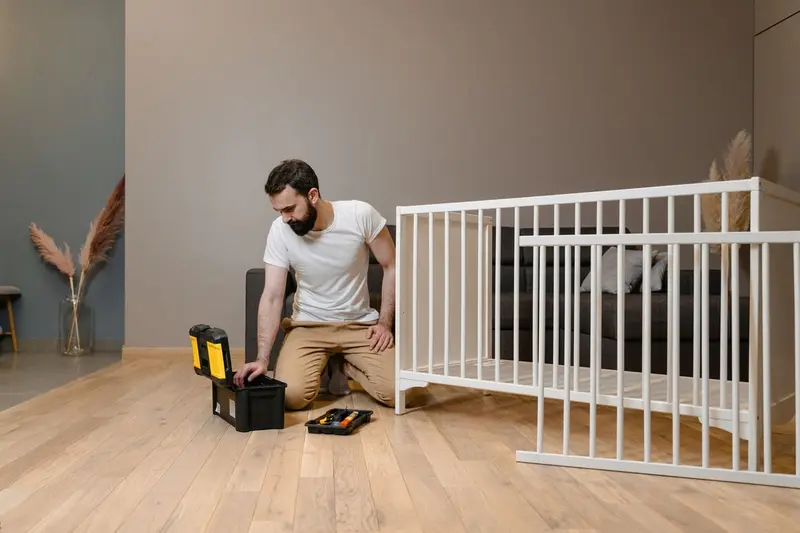
- Cribs, changing tables, toddler beds and toy storage
- Dining tables and chairs
- Home gym equipment such as treadmills, bikes, racks and benches
- Patio furniture, grills and storage sheds made from kits
Building it right
Flat-pack furniture holds up for years when it is built carefully, and wobbles within months when it is not. The details that matter:
- Square first. Cases are checked corner to corner so drawers and doors line up before the back panel goes on.
- Snug, not stripped. Particleboard strips easily. Cam locks and screws are tightened firmly, often by hand at the end rather than with a drill on full power.
- Glue where the instructions call for it, especially dowels in drawers and chairs.
- Leveling feet adjusted so the piece sits flat on floors that are not.
- A final check of every drawer slide, hinge and shelf pin.
Cribs and kids’ rooms
Cribs deserve extra care. Follow the instructions exactly, use only the hardware that came in the box, and make sure the mattress fits snugly with no gap at the sides. Federal rules have banned the sale of drop-side cribs since 2011, so a hand-me-down crib with a sliding side should not be used. Before assembling any secondhand crib, high chair or dresser, check the Consumer Product Safety Commission’s recall list.
Tip-over anchors
Newer dressers sold in the United States must meet a federal stability standard, but anchoring still matters, especially for older furniture, bookcases and TV stands. The strap or bracket goes into a wall stud. Where the stud is in the wrong place, a stud-mounted bracket with a longer strap can still reach it. TVs on dressers should be strapped too, or mounted on the wall. See TV mounting.
Home gym equipment
Treadmills, bikes and power racks are heavy and come in awkward boxes. Carrying them upstairs usually takes two people and some care with the walls and banisters. Check the power requirements before the delivery: some treadmills call for a dedicated circuit, which is a job for a licensed electrician. Floor protection mats under heavy equipment save hardwood and carpet.
Outdoor sets and storage
Patio sets, grills and resin storage sheds assemble much like indoor furniture but have to sit level outdoors. Sheds need a flat, firm base, and many HOAs in Cary, Apex and Holly Springs have rules about where a shed can go and how big it can be, so check the covenants first.
Moving and reassembly
Taking furniture apart before a move and putting it back together afterward is common in the Triangle, where people move often. Hardware gets bagged and labeled piece by piece. Particleboard furniture survives one or two rebuilds well; after that, the screw holes can loosen and may need to be filled or moved.
Before the visit
Leave the boxes unopened in the room where the furniture will live, since a built wardrobe may not fit through a doorway or up a turn in the stairs. Clear a working area about twice the size of the finished piece. If a bed or bookcase is going against a wall with outlets or vents, decide its spot before the build so the anchors go in the right place.
What assembly costs
Assembly is usually priced per piece or by the hour. National cost guides and local listings show small items often costing under $100 to assemble and large pieces such as beds, wardrobes and gym equipment costing more, depending on size and complexity. The handyman cost guide covers how pricing works. Moving into a new place? The new home checklist lists what else is worth doing in the first month.
Furniture assembly — common questions
How long does furniture assembly take?
A nightstand or small bookcase often takes under an hour. A dresser, a storage bed or a wardrobe can take two to four hours, and large closet systems and some gym equipment run longer. The number of steps in the instructions is a decent guide.
Why do dressers need to be anchored to the wall?
Tall, heavy furniture can tip when a child pulls out the drawers or climbs, and tip-overs injure children every year. Most new dressers include a tip restraint kit, and it should be fastened into a wall stud rather than just the drywall.
What if parts are missing from the box?
Missing or damaged parts stop the build at that step. Count the hardware before the visit if you can and order replacements from the maker, who usually ships them free. Often the rest can be built and the last step finished later.
Often booked with this