Leaky faucet: drips from the spout, handle or base
Where a faucet leaks tells you which part has failed. A drip from the spout, water around the handle, a puddle at the base and a wet cabinet below each have different causes, and most are fixed with a single replacement part.
What you may notice
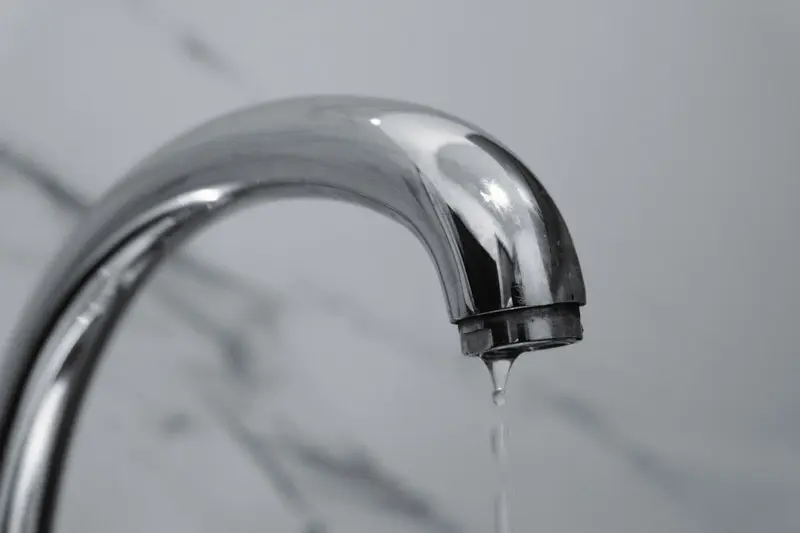
- A steady drip from the spout with the handle off
- Water pooling around the handle or base
- A handle that is stiff, loose or hard to turn off
- Damp or swollen wood in the cabinet below
- Reduced flow or a sputtering stream
How it gets fixed
Tell us what needs fixing
Licensed trades where the law says so
Fans, fixtures and new plumbing go to licensed electricians and plumbers, as North Carolina requires. Everything else goes to an experienced handyman.
The price before the work
An hourly rate and minimum, or a flat price per job, plus what materials will cost, agreed before anyone picks up a tool.
Left cleaner than it was found
Drop cloths down, drywall dust contained, packaging and old parts hauled off, and the list walked through together at the end.
Find where the water is coming from
Dry the faucet and the area around it, then watch while the faucet is off and again while it runs:
- Drip from the spout with the faucet off: a worn cartridge, washer or ceramic disc seal.
- Water around the handle: a worn O-ring or packing around the stem.
- Water at the base of a kitchen spout: worn O-rings where the spout swivels.
- Water under the sink: a supply line, a connection, a pull-down hose or the drain.
Know the faucet type
Most faucets fall into four types, and each fails a little differently:
- Compression faucets, with separate hot and cold handles that tighten down, use rubber washers that wear out and drip.
- Cartridge faucets use a replaceable cartridge, common in single-handle faucets and many two-handle ones.
- Ball faucets, found in some older single-handle kitchen faucets, use a ball and springs with rubber seats.
- Ceramic disc faucets use two hard discs that rarely wear but have seals that can fail or get grit in them.
Knowing the brand and model narrows it down fast. The name is often on the faucet body or handle, and the model may be on a tag under the sink or in the manual.
How each leak gets fixed
Spout drips are fixed by replacing the cartridge, washer or seals. The water is shut off, the handle removed, and the old part pulled and taken along to match. A new cartridge usually also fixes stiff handles.
Handle leaks need new O-rings or packing around the stem. The same visit often includes a new cartridge, since both wear together.
Base leaks on swivel kitchen spouts are fixed with new O-rings, cleaned and lubricated with plumber’s grease made for faucets.
Under-sink leaks may need a new supply line, a tightened compression nut, a new pull-down hose, or new washers on the drain’s slip nuts.
Low flow and sputtering
Low flow from one faucet usually means a clogged aerator, the small screen at the tip of the spout, which collects grit and mineral scale. Rinsing it out or swapping in a new one restores the stream. Sputtering right after a repair is only air in the line and clears in a few seconds.
Outdoor spigots
Outdoor hose bibs drip and leak too. A drip from the spout usually means a worn washer. Water leaking from behind the handle points to the packing. In cold snaps, a hose left attached to a frost-free spigot can trap water inside and crack the valve inside the wall, which shows up as a leak only the next time the spigot is used. Disconnecting hoses before freezing nights prevents it.
Repair or replace
A good-quality faucet is worth repairing. Replacement makes more sense when:
- The body is cracked or corroded
- Parts are no longer available
- The faucet has needed repeated repairs
- You want a different style, a pull-down sprayer or a lower-flow model anyway
New faucets that go on the same supply lines and drain are a common handyman job. Moving a faucet, adding a new sink or changing the pipes is work for a licensed plumber.
Water damage under the sink
Particleboard sink bases soak up water and swell, and a slow leak can go unnoticed for months. Soft or crumbling cabinet floors are replaced or covered with a new waterproof panel once the leak is fixed. Musty smells, staining up the back wall or soft drywall around the cabinet suggest the leak has been going for a while.
Getting it fixed
Most faucet repairs are quick once the right parts are on hand. See faucet and toilet repair, and the running toilet page if the bathroom has more than one leak.
Leaky faucet — common questions
Is a dripping faucet worth fixing?
Yes. The EPA's WaterSense program says one drip per second adds up to more than 3,000 gallons a year, and a drip that is ignored usually gets worse as the worn part breaks down further.
Are faucet parts covered by warranty?
Often. Several major faucet makers offer lifetime limited warranties on cartridges and seals for the original owner, so the replacement part may be free if you know the brand and model.
Why is there water in the cabinet under my sink?
It may be the faucet base or sprayer hose, a loose supply line connection, a drain slip nut on the trap, or the seal around the sink drain. Drying everything and watching while the water runs usually shows which.
Other common repairs
Not sure what it needs?
Call and describe what is happening, or send the details through the form and a local pro will get back to you.