Ceiling fan and light fixture installation in Cary, NC
In North Carolina, hanging a ceiling fan or swapping a light fixture for pay is electrical work that requires a licensed electrician, even when the wiring is already there. Fan and fixture jobs booked here go to licensed electricians, from simple swaps to new wiring.
- Light fixtures swapped for fans on rated boxes
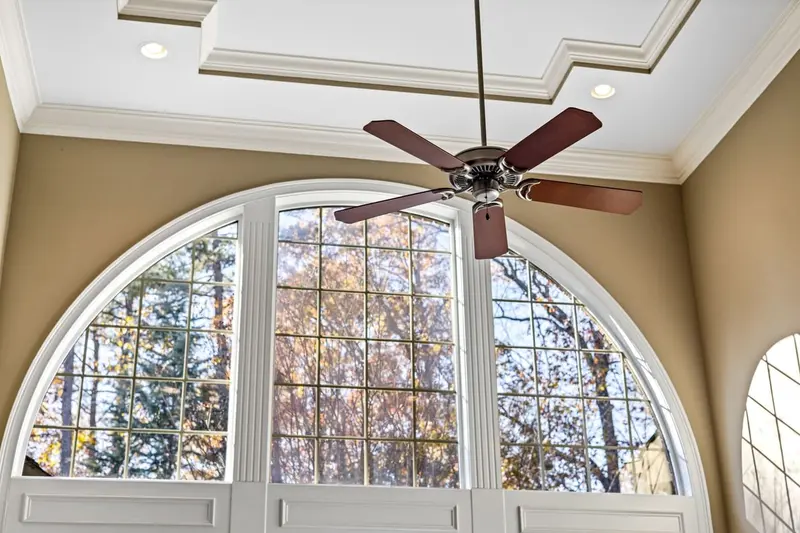
- Two-story foyer and vaulted ceiling fans
- Chandeliers, pendants and vanity lights
- Switches, dimmers and smart controls
- Licensed electricians, permitted where required
Covering Cary · Apex · Holly Springs · Morrisville · Raleigh
Get a quote for ceiling fan and fixture installation
Licensed trades where the law says so
Fans, fixtures and new plumbing go to licensed electricians and plumbers, as North Carolina requires. Everything else goes to an experienced handyman.
The price before the work
An hourly rate and minimum, or a flat price per job, plus what materials will cost, agreed before anyone picks up a tool.
Left cleaner than it was found
Drop cloths down, drywall dust contained, packaging and old parts hauled off, and the list walked through together at the end.
Why choose us
Small jobs, done right the first time
Most calls are a list of small things that have waited for months: a door that rubs, a mirror that never got hung, a hole behind a door, a toilet that runs at night. Doing each one properly, and as many as possible in one visit, is the whole job.
- Mounts anchored into studs
- Patches blended and painted
- Licensed trades when required
- Upfront hourly or flat pricing
- Whole lists in one visit
- Local to Cary
The licensing rule in plain terms
North Carolina licenses electrical contractors, and its law covers installing, maintaining, altering or repairing electrical wiring, devices, appliances and equipment. The exceptions in the statute are narrow. They cover things like replacing light bulbs and fuses, servicing plug-in appliances, and homeowners working on their own property. Swapping a ceiling fan or a light fixture for someone else, for pay, is not on the list.
That is why this site sends fan and fixture work to licensed electricians, who can also handle whatever the job turns up: a missing ground, a box that is not fan-rated, a switch that needs a neutral wire, or a circuit that needs to be added. Whether a permit is needed depends on the job, and the electrician will know.
Fan-rated boxes
A ceiling fan weighs more than most light fixtures, and it wobbles and pulls as it runs. The electrical code requires the box it hangs from to be listed for fan support. Many older ceiling boxes are not. The usual fix is a fan-rated brace bar that slips through the existing hole and expands between the ceiling joists, so the box can be replaced without cutting open the ceiling. Very heavy fans and large chandeliers may need extra support from the framing.
Sizing a fan
Fans are sized by blade span. As a rough guide, small rooms such as bathrooms and laundry rooms suit fans of 36 inches or less, bedrooms and offices suit about 42 to 48 inches, living rooms suit 52 inches, and great rooms with tall ceilings suit 60 inches or more. In very large rooms, two fans often move air better than one huge one.
Tall ceilings and two-story foyers
Two-story foyers and vaulted family rooms are common in Cary, Apex and Holly Springs homes built over the last few decades. Fans and chandeliers up there need taller ladders or scaffolding, a longer downrod, and sometimes a second person. Downrods are sized so the blades end up roughly 8 to 9 feet above the floor. On sloped ceilings, a fan needs an angle adapter in the canopy so it hangs straight.
Fixtures, dimmers and smart switches
- Light fixtures and chandeliers are swapped with the same care for box ratings and weight.
- Dimmers need to be compatible with LED bulbs, or the lights may flicker or buzz.
- Smart switches often need a neutral wire in the switch box. Many houses built in recent decades have one; older houses frequently do not, which may mean a different switch model or some rewiring.
- Fan controls can be wall controls, remotes or smart modules, depending on the fan.
Where the handyman side helps
Once the electrician is done, the rest of the job may still need attention: patching and painting the ceiling where an old, larger fixture left marks, assembling a fan’s blades before installation day, or fixing the drywall around a new box. See drywall repair. Plug-in lamps and fixtures with cords are a different matter: they are cord-connected equipment and do not require an electrician to set up.
Wobbly fans
A fan that wobbles usually has a blade out of balance, a loose blade iron or canopy screw, or a mounting bracket that was never fully tightened. Balancing kits fix blade issues. A wobble that started suddenly, or that you can feel in the ceiling, points to the mounting and should be looked at by the electrician rather than lived with.
What fan installation costs
Installation on existing wiring commonly runs a couple of hundred dollars, with tall ceilings, heavy fixtures, new boxes and new wiring adding to it. The fan or fixture itself is extra. The handyman cost guide covers how licensed-trade jobs fit with handyman pricing, and the guide to what a handyman can do in North Carolina explains where the line falls.
Ceiling fan and fixture installation — common questions
Why can't a handyman install my ceiling fan in North Carolina?
North Carolina's electrical licensing law covers installing, altering and repairing electrical wiring, devices and equipment, and its short list of exceptions does not include swapping a fan or fixture for pay. Homeowners may do electrical work in their own home, but anyone paid to do it needs a license.
Can a fan go where a light fixture is now?
Often, if the ceiling box is rated for a fan or can be replaced with a fan-rated brace box through the existing hole. A standard light box is not made to carry a fan's weight and motion.
How far should fan blades be from the floor?
Fan makers generally call for at least 7 feet between the blades and the floor, and 8 to 9 feet is better for airflow. Taller ceilings use a downrod to bring the fan down into that range.
Often booked with this